

-
By adminTUP
-
8 de septiembre de 2025
- 0 Comment
How packaging is getting smarter with AR and QR codes
Smart packaging transforms everyday products into digital touchpoints, using QR codes and AR to connect brands with customers directly.
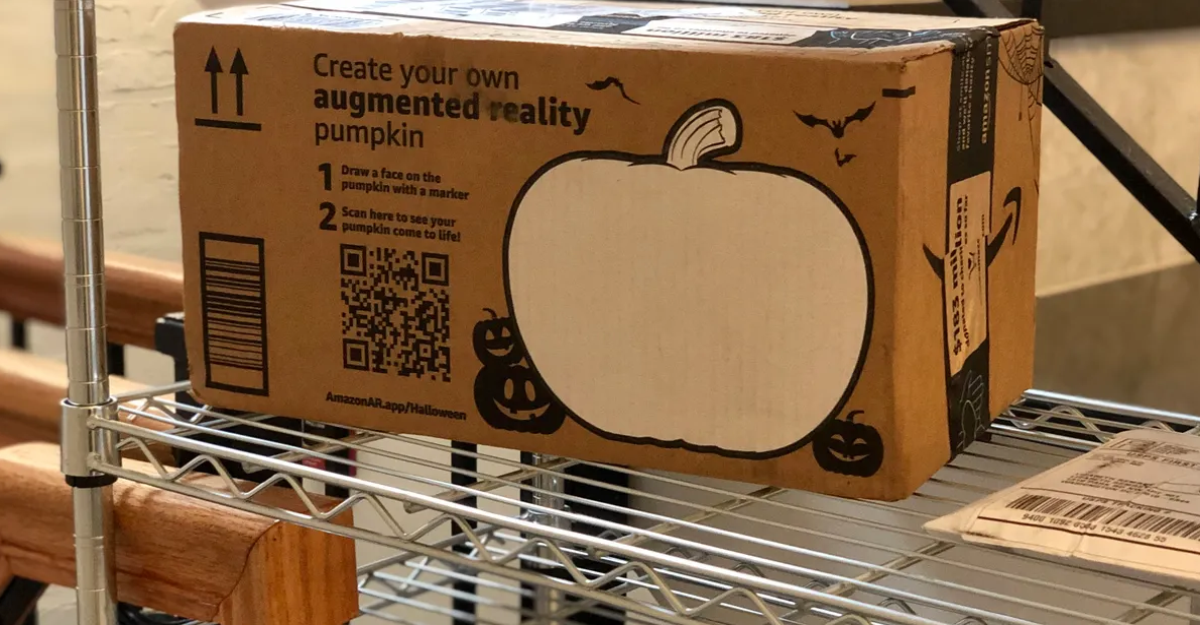
A cereal box that plays a video tutorial on making breakfast. A wine label that tells the story of its vineyard. A snack wrapper that launches a game on your phone. These aren’t scenes from a futuristic film—they’re real examples of how augmented reality (AR) and QR-code integrated packaging are transforming how consumers interact with everyday products.
In an increasingly digital-first world, packaging is no longer just about protecting a product or grabbing attention on the shelf. It has become a communication tool, a storyteller, and even a portal to immersive brand experiences.
As brands race to build deeper connections with their audiences, smart packaging has emerged as a powerful solution. But which technology—AR or QR codes—is better suited for long-term engagement?
Understanding QR-code packaging: the reliable workhorse
Quick Response (QR) codes have been around since the 1990s, but their real renaissance came with the widespread adoption of smartphones.
These black-and-white square codes are now a familiar sight, used in everything from event tickets to restaurant menus. In packaging, QR codes serve as low-cost, accessible gateways to digital content.
With a quick scan, consumers can access product information, promotional offers, how-to guides, or customer service portals. One of the key advantages of QR-code integrated packaging is its simplicity. It doesn’t require specialised apps—just a smartphone camera.
Brands can easily update the linked content without changing the packaging itself, allowing for dynamic marketing campaigns or real-time updates such as recalls or sustainability credentials.
From a supply chain perspective, QR codes are invaluable for traceability, enabling consumers to learn where their product was made, what it contains, and how it reached them.
QR code packaging is especially popular in food and beverage, cosmetics, and pharmaceuticals, where compliance, safety, and transparency are vital.
For small and medium enterprises, it offers an affordable way to create digital touchpoints without major investment in tech infrastructure.